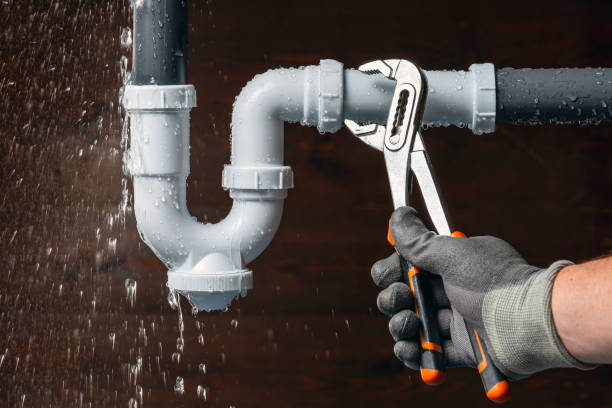
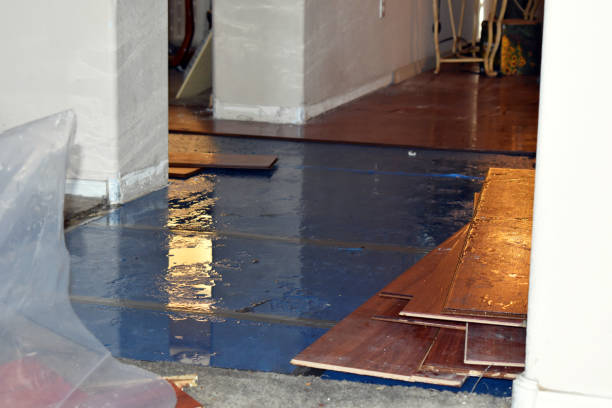
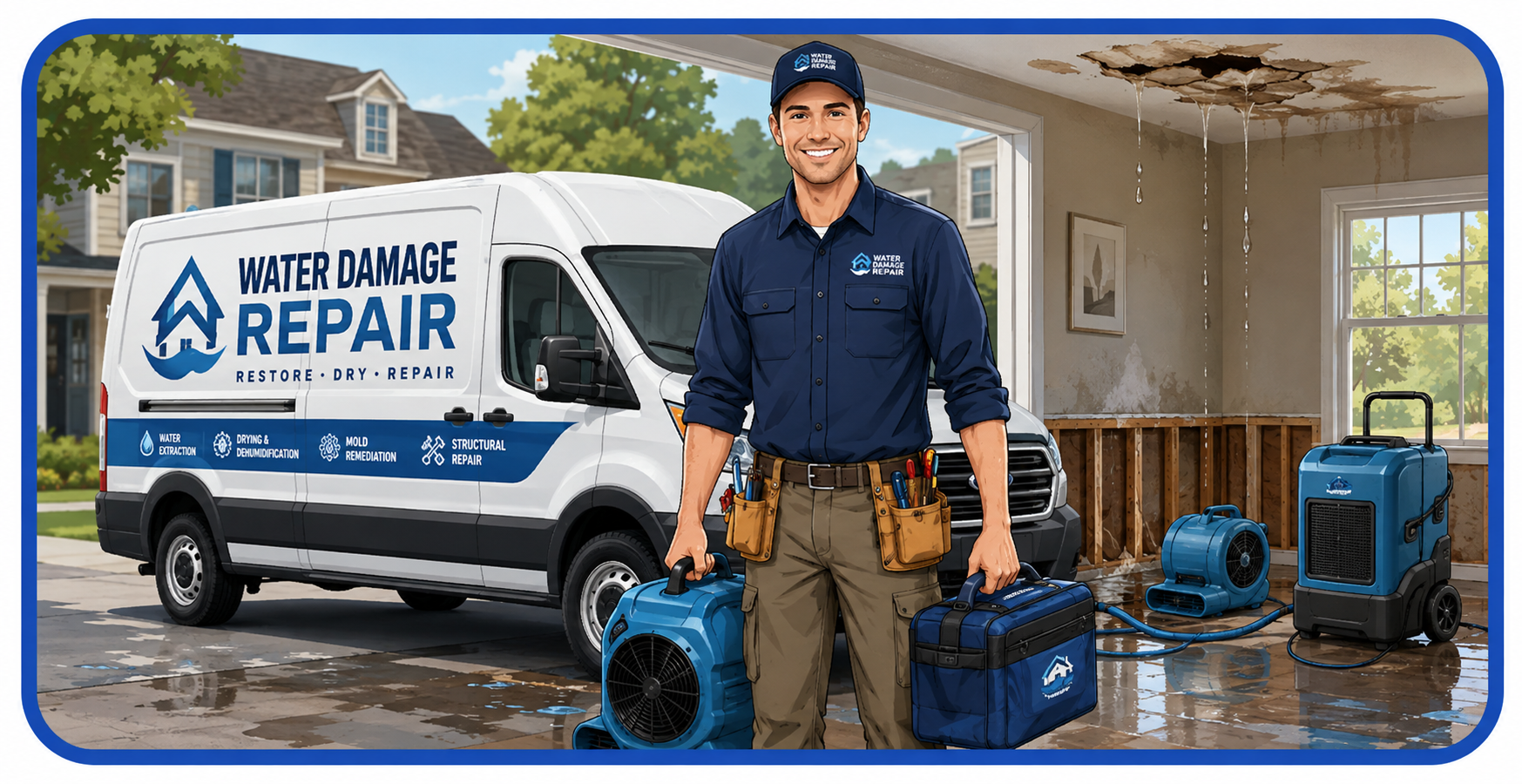
There's a specific kind of dread that comes with standing water spreading across a Fort Hood living room floor. We're built to shorten that window between the panic and the fix.
Call +1-844-578-1604
Crews staged inside Fort Hood limits
Flat-rate quote before any equipment runs
IICRC-certified technicians on every truck

Ask a Fort Hood homeowner who's dealt with a burst pipe at 3am and, if they called us, they'll tell you the same thing: someone answered, and someone showed up. That's the whole model.
Local pricing means local pricing — our Fort Hood estimates reflect actual regional labor and material costs, not a national average that leaves you either overpaying or underinsured.
Homeowners dealing with a flood are stressed enough without technical jargon, so we train our crews to explain the process in plain terms from the first phone call.
Water damage rarely starts as a dramatic flood — it usually starts small, and these are the signs worth acting on before the damage spreads further.
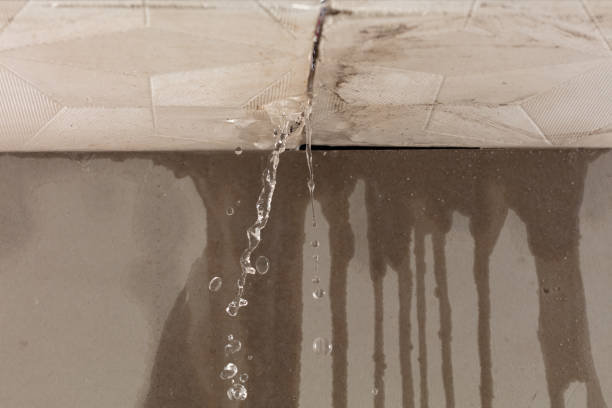
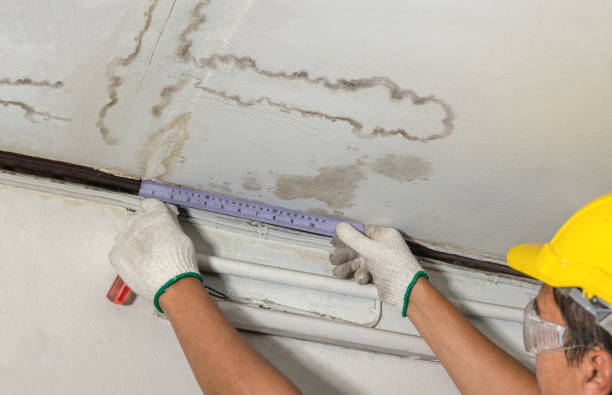
Repainting over a recurring ceiling stain treats the symptom, not the leak still feeding it from above or behind the surface. The stain returning is the actual diagnosis.
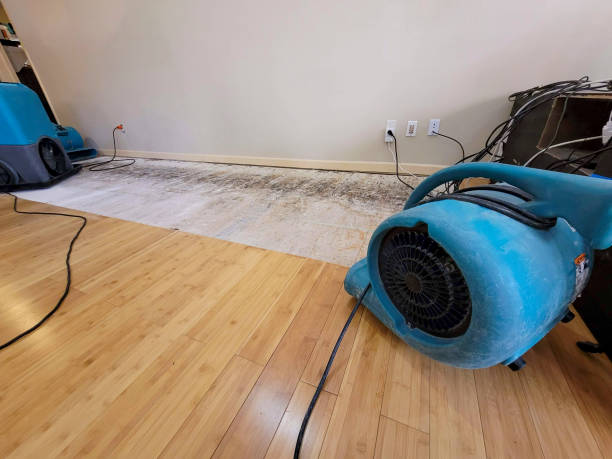
A musty note that wasn't there a season ago usually means microbial growth has started somewhere behind a wall or under flooring, well before you can see anything.
A hollow sound from tile that used to sound solid usually means the mortar bed lost adhesion from sustained moisture underneath.
The sound of running water when every fixture in the house is off is one of the more reliable early warnings of a hidden leak.
Bubbling near a window frame frequently traces back to a failed seal letting water in gradually.
A small patch of mold in a corner or along a baseboard means conditions behind that surface have supported growth for a while — the source needs to be found, not just wiped away.
If more than one of these sounds familiar, it's worth a professional moisture check sooner rather than later.
Bouncing between an extraction company, a drying company, and a repair contractor is how small jobs turn into weeks-long headaches — we keep all three under one roof on purpose.
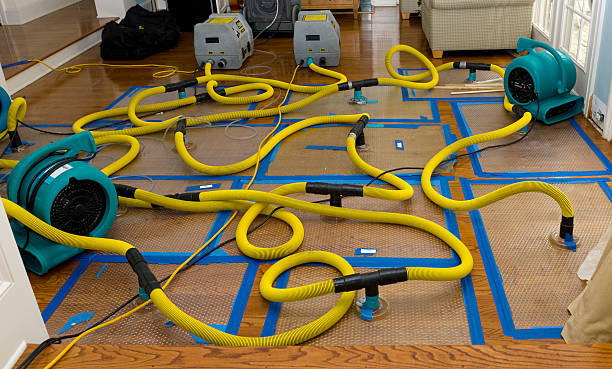
The equipment on our trucks scales up or down to the job, but the process — assess, extract, dry, verify, repair — doesn't change.
The first hour after a water loss decides how much of the structure is salvageable, which is why extraction is always the first truck-mount job, not an afterthought behind paperwork.
Daily drying logs track humidity and surface moisture at every checkpoint, giving you documented proof of progress instead of a verbal 'it's getting there.'
Our sewage cleanup protocol follows IICRC S500 guidelines start to finish, including isolation of the affected zone and disposal documentation.
If mold has already started, containment with negative air pressure goes up before any demolition begins, so spores don't travel to unaffected rooms.
One contract from extraction through reconstruction means you're not managing two separate companies and two separate invoices.
Furniture, electronics, and documents get assessed on-site, with salvageable items cleaned and stored while the space dries.


Four steps, no guesswork — here's exactly what happens between your call and a verified-dry structure.
Real person, real questions, fast routing — the goal is getting a truck moving within minutes of hanging up.
Photo and moisture documentation happens before any equipment gets touched, which protects your insurance claim later.
Equipment placement follows the specific psychrometric numbers from assessment, not a generic pattern used on every job.
Every affected area gets re-tested before we call the job complete — no shortcuts on the sign-off.
None of these four things matter in isolation — it's the combination of licensing, speed, honest pricing, and a real guarantee that actually changes the outcome of a water emergency.
We'll show you the credentials before we show you the invoice, if that's what puts you at ease.
Regionally staged trucks mean a crew often arrives before a national chain's call center finishes the intake questionnaire.
We'd rather have the pricing conversation upfront than after the job's already underway.
A guarantee only counts if it's backed by a second moisture reading, not just good intentions.
If our readings don't hit a safe drying standard on schedule, equipment stays running at our cost until they do — that's the bar we hold ourselves to.
The standard doesn't change based on job size — a single bathroom flood gets the same sign-off criteria as a full commercial loss.
Call +1-844-578-1604Aqua Guard Water Damage routes crews across Fort Hood and its surrounding zip codes, including 76544, so response times hold steady no matter which side of town the call comes from.
Coverage extends past the city core into the surrounding Fort Hood suburbs, so an outlying address isn't treated as a second-tier call.

"What stood out was how calm the technician stayed while explaining a genuinely stressful situation — that mattered more than I expected."
Renee A., Fort Hood"A storm backed water into our finished basement and the crew classified it, extracted it, and had dehumidifiers running that same afternoon. The invoice matched the quote to the dollar."
Owen D., Fort Hood"They didn't cut corners on the sanitization step even though it clearly slowed them down — with two kids in the house, that mattered to us."
Fatima J., Fort Hood"Fast response and clear pricing, and they handled the back-and-forth with my insurance adjuster directly, which saved me a genuinely stressful week."
Lucas P., Fort Hood"The thermal scan caught damage behind a cabinet that could have turned into a much bigger mold problem if it went unnoticed."
Grace T., Fort Hood"They sectioned off the wet area instead of shutting down the whole office during drying, which kept us operating almost normally."
Nathaniel W., Fort Hood"The technician explained exactly which boards needed to go and which tested dry enough to keep, so we didn't overpay for the repair."
Bianca H., Fort Hood"They explained the crawl space drainage issue in plain terms instead of technical jargon, and fixed it on the spot rather than scheduling a separate trip."
Derek S., Fort Hood"They found the actual source of the leak instead of just drying the surface damage, which saved us from the same problem happening again in a month."
Melissa C., Fort Hood"Being out of town when it happened was stressful enough — having a crew that could work directly with our property manager made it manageable."
Victor N., Fort Hood